
This post was originally published on A Globe Well Travelled in 2014. The content has been revised and updated with fresh information.
I was in no way prepared for the intensity of the emotions that visiting Auschwitz would make me feel.
I visited Auschwitz in 2013 as part of a day tour from Kraków. The tour included visits to both Auschwitz I and Auschwitz II-Birkenau. The scale of the site is difficult to comprehend until you’re actually standing there. Birkenau in particular feels almost endless, stretching far beyond what I had imagined. Looking across the rows of barracks, it was impossible not to picture the more than 100,000 prisoners who were once held there.
I visited on a crystal-clear winter’s day. The soft sunlight made my surroundings look strangely peaceful—a stark contrast to the location’s dark past. I stood on the same platform where 1.3 million people had arrived in crowded cattle cars, not realising they’d just stepped into a death camp where around 85% would perish.
I expected to learn more about the Holocaust and the Nazi concentration camps, but visiting Auschwitz is far more than a history lesson. It’s a deeply moving experience that offers an important opportunity to reflect on one of the darkest chapters in human history.
I’ve updated this guide with the latest information on tours, tickets and visitor requirements to help you plan your own visit today.
Quick summary:
If you’re planning to visit Auschwitz from Kraków, this guide covers everything you need to know—from choosing between a guided tour and independent travel to booking tickets, what to expect and how to prepare for your visit.
Recommended tours and tickets:
🚌 Auschwitz-Birkenau Day Tour from Kraków – Includes transport, tickets, and a guide for both camps.
🎟️ Auschwitz Entry Tickets – Includes site admission plus a tour of the site with expert insights.

How to get to Auschwitz from Kraków
If it’s your first time visiting Auschwitz, I’d recommend booking a guided day tour from Kraków. This is what I did when I visited in 2013.
It’s possible to travel independently by train or bus, but a tour takes the stress out of organising transport and tickets, and the guide provides valuable historical context throughout your visit. Given the significance of the site, I think having someone explain what you’re seeing makes for a much more meaningful experience.
Auschwitz guided tour
🚌 The easiest way to visit is by booking a Auschwitz-Birkenau Day Tour from Kraków. Most tours include return transport from central Kraków, entry tickets to both Auschwitz I and Auschwitz II-Birkenau, and a licensed guide who accompanies you through the site.
The journey takes around 1.5 hours each way, and most tours last between seven and eight hours in total. While it makes for a long day, everything is organised for you, so all you need to do is turn up at the meeting point.
Although I usually enjoy exploring independently, Auschwitz is one place where I think a guided visit really adds to the experience. Understanding the history behind the buildings, exhibits and memorials made the visit far more meaningful than just walking through the camps on my own.
Train to Auschwitz
If you’d prefer to travel independently, it’s easy enough to reach Auschwitz by public transport. Trains to Auschwitz depart regularly from Kraków Główny Station to Oświęcim, with the journey taking around 1 hour and 30 minutes. From Oświęcim station, it’s a short taxi ride or local bus trip to the Auschwitz-Birkenau Memorial and Museum.
Travelling independently does give you more flexibility with your schedule and can be a little cheaper than joining a tour. Just keep in mind that entry tickets often book out well in advance, particularly during the busy summer months, so it’s essential to reserve your visit ahead of time.

Where to book Auschwitz tickets
The booking process for visiting Auschwitz has changed over the years, so it’s worth understanding how it works before you start planning your trip.
Although entry to the Auschwitz-Birkenau Memorial is free, all visitors must reserve a personalised entry pass in advance. The Memorial limits the number of people who can enter each day, so you can’t just turn up without a booking.
If you’re joining a guided day tour from Kraków, your entry pass will usually be included as part of your booking, so you won’t need to organise anything separately.
If you’re travelling independently, you’ll need to reserve your entry pass online for a specific date and time. During most of the day, all visitors will explore the Memorial as part of a guided tour led by a licensed Museum educator. These tours are available in several languages and incur a fee for the guide, even though admission to the Memorial itself is free. A limited number of free self-guided entry passes are also available during designated hours, but these are restricted to specific times of the day and can be difficult to secure.
🎟️ Personally, I think an Auschwitz entry ticket with guided tour is well worth it. Having the history explained as you walk through the camps adds valuable context and makes for a much more meaningful experience.
When I checked availability while updating this guide, the next English-language guided tour wasn’t available for another six days. If you’re travelling during peak season, I’d recommend booking at least a week in advance to give yourself the best chance of securing your preferred date, time and language.
The time shown on your booking confirmation is your allocated entry time, so plan to arrive at least 30 minutes early to allow enough time for security screening.

What to expect during your visit
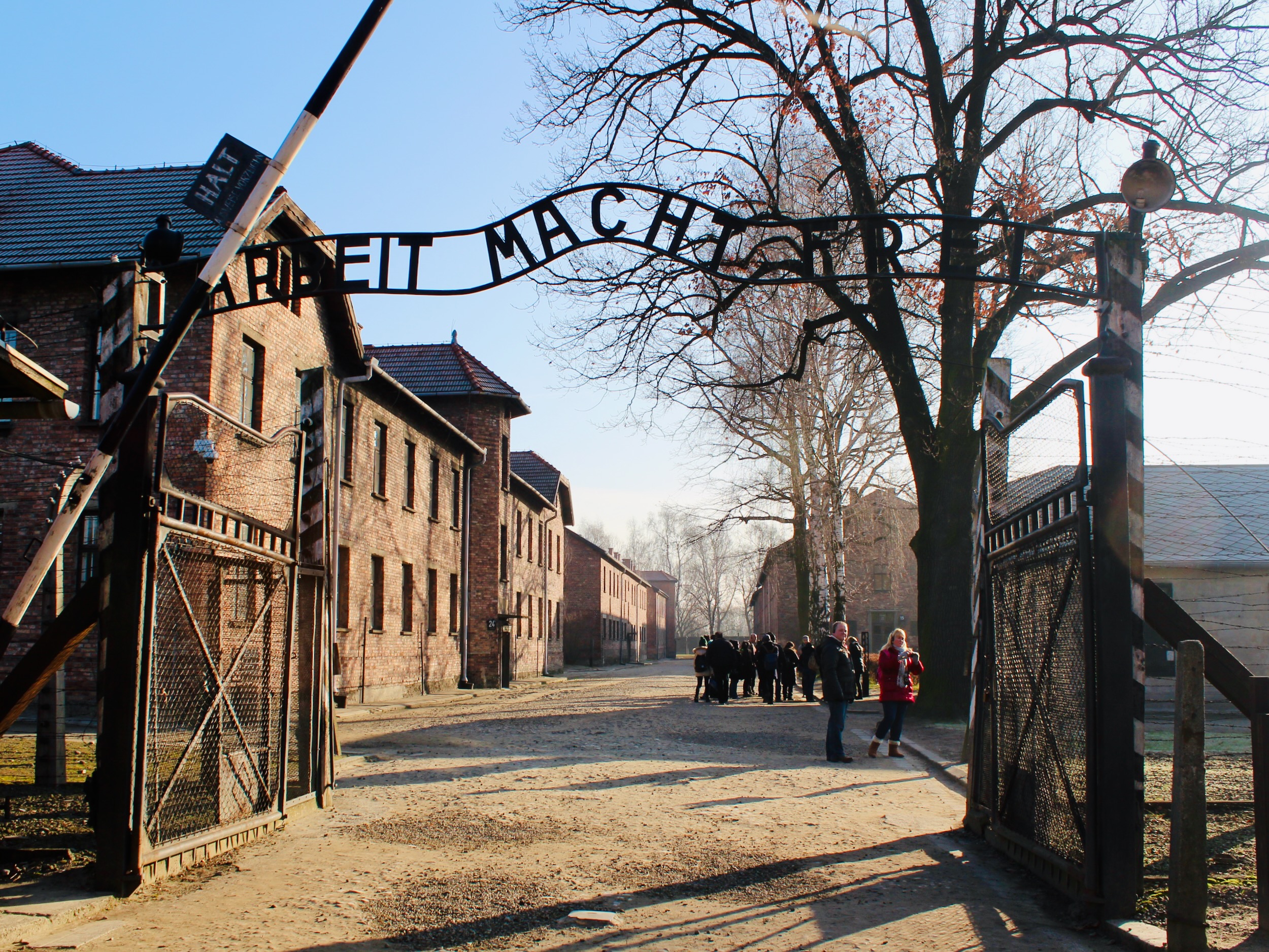
Whether you’re visiting on a guided day tour or independently, most visits begin at Auschwitz I, the original concentration camp where you’ll pass through the infamous Arbeit Macht Frei gate. This section of the Memorial houses many of the museum exhibitions, with displays documenting the experiences of prisoners and the atrocities committed during the Holocaust.
After exploring Auschwitz I, visitors continue to Auschwitz II-Birkenau, located around 3 kilometres away. The two sites are connected by a free shuttle bus, although some organised tours include transport between them. Birkenau is vastly different from Auschwitz I. It’s much larger and more open, making it easier to grasp the enormous scale of the camp.
I wasn’t prepared for just how emotional the experience would be. Walking through the barracks, seeing the personal belongings displayed in the museum and standing on the railway platform where more than a million people arrived was incredibly confronting. It’s a sobering place that stays with you long after you leave.
Most guided visits take around 3.5 hours to explore both camps, with plenty of walking involved. Much of Birkenau is outdoors and exposed to the weather, so wear comfortable shoes and dress appropriately for the conditions.
While photography is permitted in many parts of the Memorial, it’s important to remember that Auschwitz is first and foremost a place of remembrance. Many visitors have a deeply personal connection to the site, with relatives who were imprisoned or lost their lives here during the Holocaust. Approach your visit with empathy and quiet respect, and allow yourself time afterwards to reflect on what you’ve experienced.
Keep conversations quiet, follow the Museum’s guidelines and avoid behaviour that could be considered disrespectful. This is an active memorial where people come to remember the victims of the Holocaust, so it’s important to be mindful of both the site and those visiting it.

How long do you need at Auschwitz?
If you’re visiting both Auschwitz I and Auschwitz II-Birkenau, I’d recommend allowing at least half a day for your visit. Guided tours of the Memorial usually take around 3.5 hours, while a day trip from Kraków usually lasts between seven and eight hours once you factor in the return journey.
Although the two camps are only a few kilometres apart, there’s a lot to see and absorb. Auschwitz I contains the museum exhibitions and many of the original buildings, while Birkenau is much larger and requires a fair amount of walking.
Even if you’re travelling independently, I wouldn’t rush your visit. This isn’t the kind of attraction you just tick off a list. Many people find the experience emotionally confronting, so it’s worth allowing yourself time afterwards to quietly reflect before heading back to Kraków.

Auschwitz FAQs
Can you visit both Auschwitz I and Auschwitz II-Birkenau in one day?
Yes. Most visitors explore both sites during a single visit. Guided tours of the site and day trips from Kraków include both Auschwitz I and Auschwitz II-Birkenau, with transport provided between the two camps. Allow around 3.5 hours to explore the Memorial itself.
How long does it take to get to Auschwitz from Kraków?
The journey from Kraków to Auschwitz takes around 1.5 hours by road or train. If you’re joining a day tour from Kraków, the entire experience lasts around seven to eight hours, including travel time.
What should I wear when visiting Auschwitz?
Wear comfortable clothing and practical walking shoes. You’ll spend several hours on your feet, and much of Birkenau is outdoors and exposed to the weather, so it’s worth checking the forecast before you visit.
What should I bring to Auschwitz?
Bring your entry pass (either printed or on your phone), a refillable water bottle and anything you might need for the weather, such as sunscreen, a hat or an umbrella. Large bags aren’t permitted, so travel light where possible.
Is photography allowed at Auschwitz?
Photography is permitted in most areas of the Memorial, although some exhibitions prohibit photos. Remember that Auschwitz is a place of remembrance, so it’s important to photograph the site respectfully and avoid behaviour that could be considered insensitive.
Is visiting Auschwitz emotionally difficult?
For many people, yes. I wasn’t prepared for the emotional impact of walking through the camps and seeing the museum exhibitions. It’s a confronting but incredibly important experience, so I’d recommend allowing yourself some quiet time afterwards to process what you’ve seen.
Is Auschwitz suitable for children?
The Memorial doesn’t have a formal minimum age, but due to the graphic nature of some exhibitions, it’s generally recommended for older children and teenagers who are mature enough to understand the historical significance of the site.

Final thoughts
Visiting Auschwitz was unlike any other travel experience I’ve ever had. It isn’t somewhere you visit for enjoyment or beautiful scenery—it’s a place of remembrance that confronts you with one of the darkest chapters in human history.
More than a decade later, I still remember standing on the railway platform at Birkenau, looking across the vast expanse of the camp and trying to comprehend the scale of what happened there. It’s difficult to put into words until you’re standing there yourself.
If you’re travelling to Kraków and have the opportunity to visit Auschwitz, I’d encourage you to go with an open mind and allow yourself plenty of time to reflect afterwards. While it’s undoubtedly an emotional experience, it’s also an incredibly important one that offers a deeper understanding of the Holocaust and ensures the stories of those who suffered here are never forgotten.


Leave a Reply