
This post was originally published on A Globe Well Travelled in 2017. The content has been revised and updated with fresh information.
Before 2017, I’d never even heard of Kingston upon Hull.
It wasn’t a city I’d seen on England itineraries or travel guides, but after being named the UK City of Culture in 2017, it started to gain attention. When I ventured across the Atlantic for a visit to the UK that same year, I was curious to see what all the fuss was about.
I jumped on a train from London, and after spending two days exploring the city, I started to understand why people are so passionate about this place. Hull has a quiet kind of charm — the kind that sneaks up on you rather than trying to impress straight away.
In this guide, I’m sharing a few of the things that stood out most during my visit — from historic streets and free museums to some of the small, unexpected details that make Hull a surprisingly worthwhile city break.
Quick summary:
Wondering whether Hull is worth adding to your England itinerary? After spending two days exploring this often-overlooked city, I discovered plenty of reasons why the UK’s City of Culture deserves a closer look.
Where to stay:
🏨 Holiday Inn Hull Marina – Budget-friendly stay with waterfront views and easy walking distance to Old Town.
🛏️ Search for hotels in Hull – Find the best accommodation options in the city centre and surrounds.

How to get to Hull from London
The easiest way to get to Kingston upon Hull from London is by train. I took a direct service which took just over two and a half hours, making it a very manageable journey for a short city break.
Trains arrive at Hull Paragon Interchange, which is conveniently located right in the city centre. From there, it’s an easy walk to most hotels and attractions, including the marina and Old Town.
🚆 For booking tickets, you can use Omio to compare Hull train times and prices. It’s a simple way to see all your options in one place, especially if you’re trying to find the best fare or a convenient departure time.
One thing I always try to do when travelling by train in the UK is book in advance where possible. Ticket prices can vary quite a bit depending on demand, and I’ve found that locking in a fare early can make a noticeable difference. If you’re travelling at peak times, it’s also worth reserving a seat to make the journey a bit more comfortable.

Where to stay in Hull, UK
🏨 During my visit to Kingston upon Hull, I stayed at the Holiday Inn Hull Marina — and for a short city break, it turned out to be a really convenient base.
The biggest selling point here is the location. The hotel sits right on the edge of the marina, which gives it a slightly more scenic feel than you might expect from a budget-friendly chain. It’s also only about a 10-minute walk into the Old Town, meaning I could easily explore most of Hull’s main attractions on foot without needing to worry about transport.
The rooms themselves are fairly simple and no-frills, but they had everything I needed for a comfortable stay. If you’re planning a quick visit — especially one focused on sightseeing rather than spending lots of time in your hotel — it does the job perfectly well.
I also found it to be a good option value-wise compared to some of the other hotels in Hull around the city centre. For the price and location alone, I’d happily stay here again on a return visit to Hull.
Best things to do in Hull, England

Explore Hull Old Town
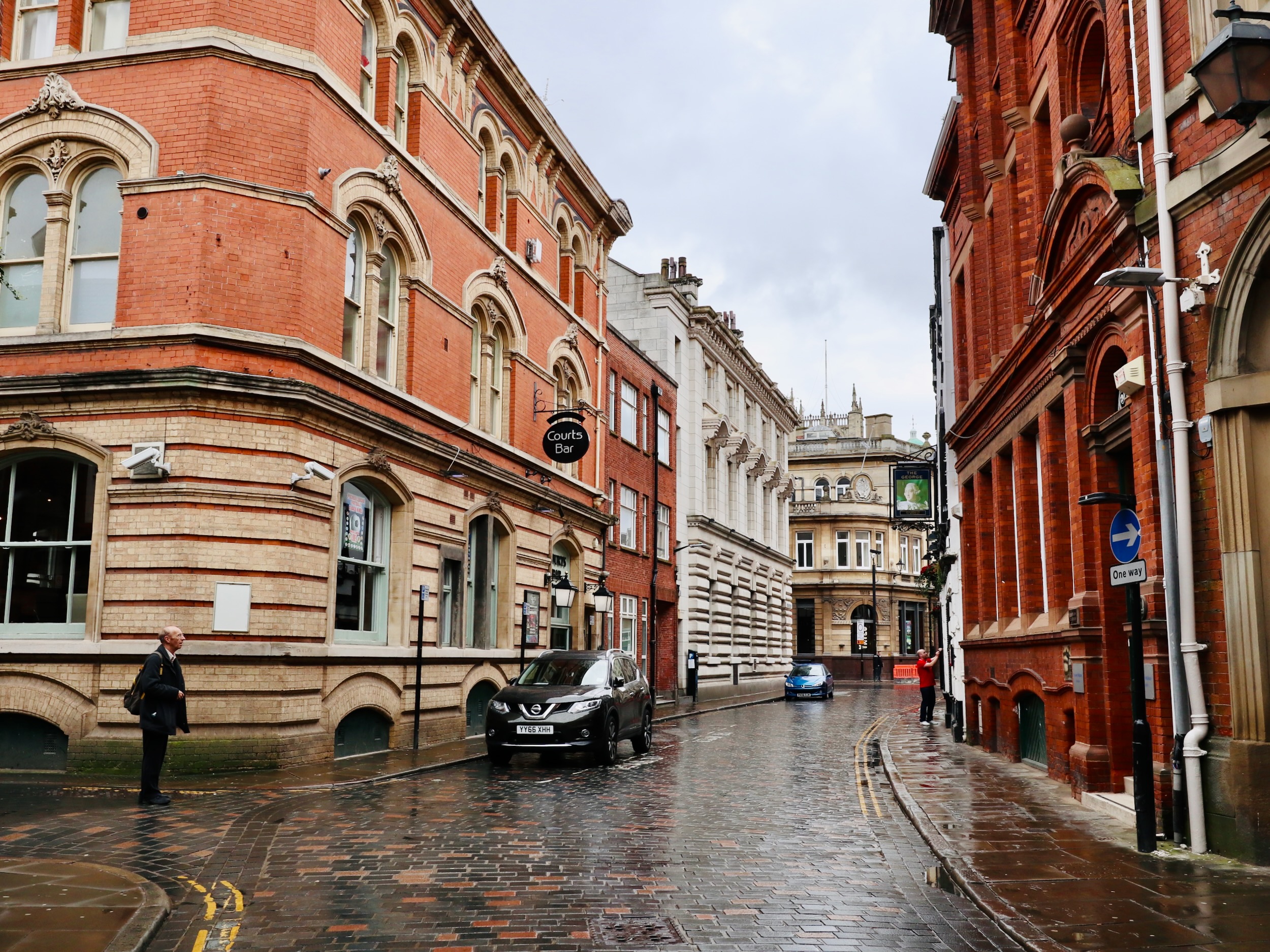
I had no idea that Hull would have such a pretty historic area. Hull dates back to the 1100s, when it was established as a military port before growing into an important fishing, whaling and trading centre. Today, it’s still a major ferry port connecting England with mainland Europe, but it’s the historic streets that really steal the show.
I spent a large chunk of my visit wandering around the Old Town with my camera pointed at the beautiful streets and historic buildings. Better yet, I practically had the place to myself, which made it feel like I was discovering a hidden corner of England that somehow hadn’t made it onto the typical tourist trail.
If you’re looking for the best things to do in Hull, this is where I’d recommend starting. Most of the city’s historic attractions are within easy walking distance, making it easy to explore at your own pace.

Visit Hull Minster
One of the standout landmarks in Hull Old Town is Hull Minster (which was known as Holy Trinity Church when I visited in 2017). Dating back to the 14th century, it’s one of the largest parish churches in England and has been at the heart of the city for centuries.
Even if you’re not particularly interested in churches, it’s worth stepping inside for a look. I was impressed by the towering stained-glass windows and medieval architecture. Its a great place to escape the busy streets outside for a few minutes of peaceful contemplation.
Follow the Hull Fish Trail
The Fish Trail was one of those unexpected little discoveries that made wandering around the Old Town even more fun. This self-guided walking route features an A–Z of fish engraved into the pavements, encouraging you to explore streets and corners you might otherwise walk straight past.
Even if you’re not determined to find every fish, it’s a quirky way to discover more of Hull while keeping an eye on the ground between attractions.

Find the smallest window in England
One of the Old Town’s more unusual claims to fame is the smallest window in England. It’s tucked into the exterior wall of The George Hotel, and unless you’re actively looking for it, there’s a good chance you’ll walk straight past.
The tiny window is believed to have been used by a night watchman to keep an eye on the street outside without needing to open the building. Today, a small plaque beside the window explains its history, making it a fun little landmark to seek out while you’re wandering around the Old Town.
After finding the window, I headed inside The George for a classic British pub meal. As one of Hull’s oldest pubs, it has plenty of character, with cosy interiors and a welcoming atmosphere that makes it a great place to stop for lunch or a pint.

Go pub hopping through Hull’s Old Town
One thing I wasn’t expecting was just how many traditional British pubs are tucked away within Hull Old Town. If you enjoy discovering historic pubs while you travel, this is one of the best areas in the city to slow down and soak up the atmosphere.
Many of the pubs have been welcoming locals for centuries, with cosy interiors, exposed beams and plenty of character. Rather than rushing between attractions, I loved the idea of taking your time here—stopping for a pint, wandering a few more streets, then finding another historic pub around the next corner.
If you’re keen to make an afternoon of it, start at the Lion and Key on High Street and pub-hop your way to the George Hotel, stopping in at Ye Olde Black Boy, William Hawkes, The Manchester Arms, and Ye Olde White Harte on the way.

Look out for Hull’s famous white telephone boxes
Telephone boxes are almost always painted bright red across the UK—but not in Hull. I was fascinated to find out that this is the only city in England where you’ll find the iconic phone boxes painted white instead.
The unusual colour dates back to Hull’s independent telephone network, which operated separately from the rest of the country for many years. Although many of the original boxes have disappeared, you can still spot a handful scattered around the Old Town if you keep your eyes peeled.

Visit Hull’s free museums and galleries
One of the things I appreciated most about Hull was how many attractions were completely free to visit. If you’re travelling on a budget, it’s surprisingly easy to fill a day without spending much at all.
During my visit, I explored the Streetlife Museum, Ferens Art Gallery, Humber Street Gallery and the Maritime Museum, paying a grand total of zero pounds.
The Streetlife Museum was probably my favourite, with its recreated Victorian streets and collection of vintage transport. Ferens Art Gallery was also impressive, offering a mix of classic and contemporary artworks. Humber Street Gallery focuses on modern exhibitions in one of Hull’s regenerated waterfront precincts. The Maritime Museum celebrates Hull’s long relationship with the sea and its rich maritime history.

Visit The Deep
Although most of Hull’s museums are free, one attraction that’s worth paying for is The Deep. Located on the waterfront, this aquarium and marine conservation centre is one of Hull’s best-known attractions. Adult tickets cost £21.50 (as of 2026), making it a relatively affordable paid attraction compared to many others around the UK.
Even before stepping inside, I was impressed by the building itself. Its sharp, modern design with stark points and angular edges make it feel completely different from the historic streets of the Old Town.
Inside, The Deep is home to thousands of sea creatures, with exhibits designed around the world’s oceans and marine environments. I especially enjoyed seeing the penguins and jellyfish — two exhibits that were easy to linger around for a while. It’s a great option for families, rainy days, or anyone looking to add one paid attraction to an otherwise budget-friendly visit.

Stroll around Hull Marina
After spending time exploring the cobbled streets of the Old Town, it was nice to swap centuries-old buildings for a waterfront lined with yachts, cafés and restaurants.
I stayed right on the marina in the Holiday Inn Hull Marina, so it quickly became part of my daily routine. Whether I was heading out for a day of sightseeing or returning after dinner, I found myself taking the long way back just to enjoy the views across the water.
The marina is only a short walk from Hull Old Town, making it easy to combine the two in the same day. If you’re looking for somewhere to stop for a drink, a meal or simply a breather between sightseeing, I’d definitely recommend spending a bit of time here.
How long should you spend in Hull?
I spent two days in Hull, which felt like the right amount of time to experience the city’s highlights without rushing. It gave me enough time to wander through the Old Town, visit several museums, join a walking tour and enjoy the marina at a relaxed pace.
If you’re already travelling through northern England, you could comfortably see the main sights in a full day. However, if you enjoy exploring museums or prefer slower-paced city breaks, I’d recommend staying for a weekend so you have time to discover some of Hull’s lesser-known corners.
So is Hull worth visiting?
I’ll be honest — before this trip, Kingston upon Hull wasn’t even on my radar, and I didn’t really know what to expect when I arrived.
But after spending a couple of days exploring, it completely surprised me.
Hull isn’t flashy or overly touristy, and that’s actually part of its appeal. You’ve got a genuinely historic Old Town, a waterfront that’s easy to wander around, and a surprisingly good mix of museums — many of which are free. It also feels refreshingly uncrowded compared to more popular UK destinations, which made exploring at my own pace so much more enjoyable.
I wouldn’t say it’s a must-visit destination on a first trip to the UK, but if you’re looking to go a little beyond the usual stops, Hull is well worth considering. It’s the kind of place that quietly grows on you.
*My trip to Hull was sponsored by Visit Britain & Hull 2017, who invited me to see how much of the city I could see on a small budget. I’m proud to be an honest and transparent blogger, so every opinion expressed on AGWT is a true review of my experience!


Leave a Reply