

This post was originally published on A Globe Well Travelled in 2017. The content has been revised and updated with fresh information.
When you picture Australia, you probably imagine two things: the incredible beaches… and the wildlife.
From cuddly koalas and curious quokkas to rare platypuses and powerful saltwater crocodiles, Australia’s native animals are endlessly fascinating — and often found nowhere else on Earth.
If you’re looking for the best wildlife experiences in Australia or planning exactly where to see Australian animals during your trip, you’ll be pleased to know there are countless ways to encounter our unique, rare, and sometimes downright dangerous wildlife responsibly.
I usually try to avoid traditional zoos (though I do have a soft spot for Taronga in Sydney), but there are plenty of ethical wildlife sanctuaries and conservation parks across the country that focus primarily on rehabilitation and conservation.
After years of travelling around my home country (plus two decades growing up in Tasmania, one of the best hotspots for wildlife) I’ve gathered a comprehensive list of the top ethical wildlife encounters in Australia. Here’s my recommendations for the most unforgettable Australian wildlife experiences!
Quick summary:
Discover Australia’s most iconic wildlife with this guide to seeing koalas, kangaroos, quokkas, Tasmanian devils, wombats, platypuses, and crocodiles at ethical sanctuaries and wild viewing spots across the country.
Recommended tours & tickets:
🐨 Melbourne: Penguin Parade & Koala Reserve – See koalas in natural habitat plus evening penguin parade from Melbourne.
🦘 Gold Coast: Currumbin Wildlife Sanctuary – Hand-feed kangaroos and meet iconic Australian animals in a conservation-focused sanctuary.
🚤 Perth: Rottnest Island Day Trip – Visit WA’s iconic island and meet the famous smiling quokkas up close.
👣 Byron Bay: Platypus Walk – Join a guided river walk to spot elusive platypuses at dawn or dusk.
🐊 Darwin: Croc Bus Jumping Crocodile Cruise – Experience leaping saltwater crocs and NT wetlands with easy return transport.
🐾 Cradle Mountain: Tassie Devil Night Feeding Tour – Watch devils feeding and learn about conservation on an after-dark tour.
🚌 Sydney: Walking With Wombats Tour – See wild wombats, kangaroos, and other native wildlife on a guided day tour.
Koalas in Australia
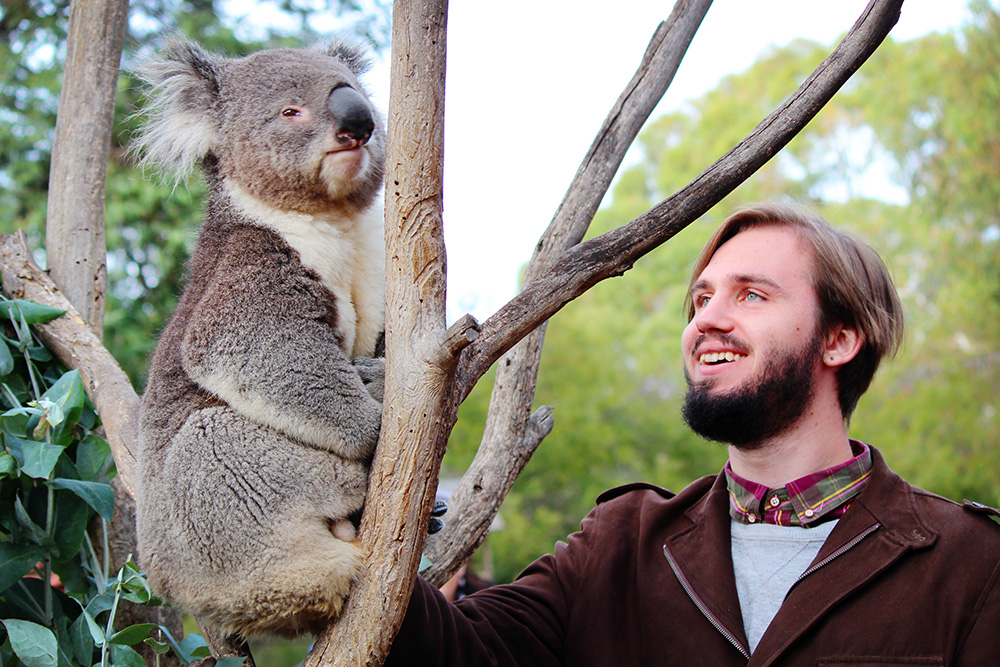
Koalas are easily one of the most iconic Australian animals, and many travellers dream of seeing them in person. I’ve yet to spot one in the wild (they’re camouflaged experts!) but many parts of Queensland and New South Wales offer great opportunities.
A quick note on koala cuddles: Only Queensland allows visitors to hold a koala, and strict handling limits are in place. In other states, you’ll be able to get close for photos or pats instead. If you prefer ethical wildlife encounters, consider skipping the cuddles and visiting a rehabilitation centre instead.
Where to see koalas in Australia
Kangaroo Island, South Australia — An amazing destination to see koalas in nature — I’ve written about my own experience here.
Magnetic Island, Queensland — One of the best places to see koalas in the wild in Australia, especially along the Forts Walk.
Port Macquarie, NSW — A strong wild population plus the Koala Hospital, known for its vital conservation work after the 2019–2020 bushfires.
Phillip Island Koala Conservation Centre, Victoria —Elevated boardwalks make spotting koalas in the treetops easy.
Kuranda Koala Gardens, Queensland — Kuranda Koala Gardens are a popular option for travellers to Cairns and the Atherton Tablelands.
Recommended Koala Experience
🐨 From Melbourne: Phillip Island Penguin Parade & Koala Reserve – Spot koalas in the wild plus evening penguin viewing.
Spend the day exploring Phillip Island’s best wildlife experiences, including an hour at the Koala Conservation Reserve, where you’ll spot koalas in their natural habitat from elevated boardwalks.
Continue to Seal Rocks and the Nobbies Centre, enjoy views of the Bass Coast, and see wallabies and other native animals along the way. The evening ends with the world-famous Penguin Parade, where the smallest penguins on Earth waddle ashore at sunset — an unforgettable wildlife spectacle!

Kangaroos & Wallabies in Australia
No Australian trip is complete without kangaroos. They’re everywhere once you leave the cities, and wild kangaroos in Australia often graze at dawn or dusk. Wallabies — their smaller, fluffier cousins — are just as common.
If you don’t spot them in the wild, many sanctuaries offer kangaroo encounters, including the classic hand-feeding experience.
Where to see kangaroos in Australia
Jervis Bay, NSW — One of the best wildlife experiences in Australia — kangaroos relaxing right on the beach in Jervis Bay!
Kangaroo Island, SA — True to its name, you’ll see plenty of kangaroos on Kangaroo Island.
Bonorong Wildlife Sanctuary, TAS — Bonorong Wildlife Sanctuary is a great place to learn about Tasmanian wildlife while enjoying close encounters with rescued roos.
Currumbin Wildlife Sanctuary, QLD — A favourite spot on the Gold Coast for hand-feeding kangaroos in a conservation-focused setting.
🦘 Spend a day at Currumbin Wildlife Sanctuary to explore expansive wildlife habitats, feeding friendly kangaroos, getting close to koalas, and enjoying fascinating keeper talks across this iconic Gold Coast conservation park.

Quokkas in Australia
Quokkas are arguably the cutest native animals in Australia, famous for their little smiling faces. Searches for “quokkas Rottnest Island” and “quokka selfie” are massive — and yes, the creatures absolutely live up to the hype. My very first quokka encounter was on a family trip in 1998 — the above grainy photo of me feeding one still lives on in a scrapbook somewhere!
Where to see quokkas in Australia
Rottnest Island, WA — The best place in the world to see quokkas. Expect dozens of sightings, especially around the island’s trails and beaches.
🚤 A Rottnest Island day trip from Perth is the perfect way to explore turquoise beaches and meet the island’s famously friendly quokkas up close.

Platypus in Australia
The platypus is one of Australia’s most rare animals, and their unusual appearance (kind of like an otter crossed with a duck) confused early European scientists so much that they thought it was a stitched-together hoax.
These shy creatures spend much of their time underwater, so spotting one requires patience. Rivers and creeks along the east coast of Australia offer chances to see a platypus in the wild (most often at dawn or dusk). I’ve been lucky enough to see three wild platypuses in Tasmania — one near Mount Field National Park, one in the Huon Valley, and another at Cradle Mountain.
Best places for platypus spotting
Tasmania — One of the top regions for platypus spotting thanks to quiet freshwater rivers. The Platypus Walk in Geeveston is a good spot for sightings.
Byron Bay, NSW — A popular ethical wildlife encounter, the Byron Bay platypus walk includes local hotel pick up.
👣 Join a guided platypus walk in Byron Bay to explore tranquil waterways, learn about these rare mammals, and enjoy one of Australia’s most magical wildlife sightings in the early morning light.

Crocodiles in Australia
Australia is famous for its dangerous animals, and saltwater crocodiles (“salties”) are one of the most powerful predators in the world. Freshwater crocodiles are smaller, but you should still keep your distance.
If there’s a sign warning about crocodiles, obey it — there’s always at least one news story each year about someone who didn’t.
Where to see crocodiles in Australia
Far North Queensland — The Hartley’s Crocodile Adventures conservation park has lagoon cruises and croc-feeding presentations.
Darwin and the Adelaide River, Northern Territory — The Adelaide River in NT is famous for its jumping crocodiles, where massive salties leap from the river.
🐊 Take the Croc Bus: Jumping Crocodile Tour from Darwin to enjoy an adrenaline-filled Jumping Crocodile Cruise!
This tour stops at the iconic Humpty Doo Hotel to see the world’s largest boxing crocodile, followed by the Jumping Crocodile Cruise where wild salties launch out of the river beside your boat. It finishes with wildlife viewing at Fogg Dam Reserve — a perfect NT adventure for families and wildlife lovers.

Tasmanian Devils in Australia
Tasmanian devils are small, powerful marsupials known for their wide-jawed snarl (and the cartoon character inspired by it). Unfortunately, a contagious facial tumour disease dramatically reduced their wild population in the 1990s, making them one of Australia’s most rare native animals.
Despite living in Tasmania for 22 years, I never saw one in the wild — though I think I heard one near Cradle Mountain one time!
Where to see Tasmanian Devils
Bonorong Wildlife Sanctuary (Hobart) — Bonorong Wildlife Sanctuary has a few devils onsite and includes excellent keeper talks as part of the entry ticket.
Tasmanian Devil UnZoo (Tasman Peninsula) — a unique, immersive conservation park that can be paired with a visit to Port Arthur.
Devils@Cradle (Cradle Mountain) — Devils@Cradle is especially great for nocturnal feeding tours.
🐾 Join the after-dark feeding tour at Devils@Cradle to experience the energy of Tasmanian devils at night, hear their distinctive sounds, and learn how this sanctuary is helping protect one of Australia’s most endangered species.

Wombats in Australia
Wombats are stocky, lovable marsupials that look cute and slow… until they’re not. Adult wombats can be surprisingly feisty and incredibly strong, so it’s best to keep your distance during wombat sightings in Australia.
Where to see wombats
Cradle Mountain, TAS — Wombats often wander the open plains here at dusk, see them on a wildlife spotting after dark tour.
Kangaroo Valley, NSW — Kangaroo Valley wildlife tours offer excellent chances of seeing wild wombats in day trips from Sydney.
🚌 This full-day Walking With Wombats Tour from Sydney guides you through waterfalls, rainforests, and coastal lookouts before arriving at a scenic valley where wild wombats emerge at dusk.

Echidnas in Australia
Echidnas are tiny spiky anteaters and one of Australia’s most unique native animals. They’re shy and quiet, so you often spot them only when they waddle across hiking paths. I can count only a handful of occasions when I’ve seen an echidna in the wild.
Where to see echidnas in Australia
- Tasmania — Bruny Island, Mt Wellington, and the Tamar Valley near Launceston are great places for wild echidna sightings.
- South Australia — I saw one on Kangaroo Island at the Seal Bay parking lot.
- Wildlife sanctuaries — Your best bet if you miss them in the wild.

FAQ: Wildlife Experiences in Australia
What is the best place to see wildlife in Australia?
Tasmania, Kangaroo Island, Far North Queensland, and Phillip Island offer some of the best chances to see a wide variety of native animals.
When is the best time of day to see wildlife?
Dawn and dusk are ideal for most animals, including kangaroos, wombats, platypuses, and echidnas. Night tours are also great for nocturnal species.
Are wildlife sanctuaries in Australia ethical?
Most reputable sanctuaries focus on conservation and rehabilitation. Bonorong, Currumbin, and Devils@Cradle are well-known ethical options.
Which Australian animals are hardest to see?
Platypuses, echidnas, and Tasmanian devils are the trickiest. A guided tour or sanctuary visit gives you the best chance of seeing them.
Is it safe to see crocodiles in Australia?
Yes — as long as you go with a licensed operator. A safe and exciting option is a Jumping Crocodile Tour from Darwin.
What should I avoid doing around wild animals?
Don’t feed or touch wildlife, keep your distance, and always obey crocodile warning signs. Stick to marked paths and follow ranger advice in national parks.
What’s a good wildlife experience for families?
Currumbin Wildlife Sanctuary on the Gold Coast, the Penguin Parade & Koala Reserve Tour from Melbourne, and the Walking With Wombats Tour from Sydney are all great family-friendly options.


Leave a Reply